
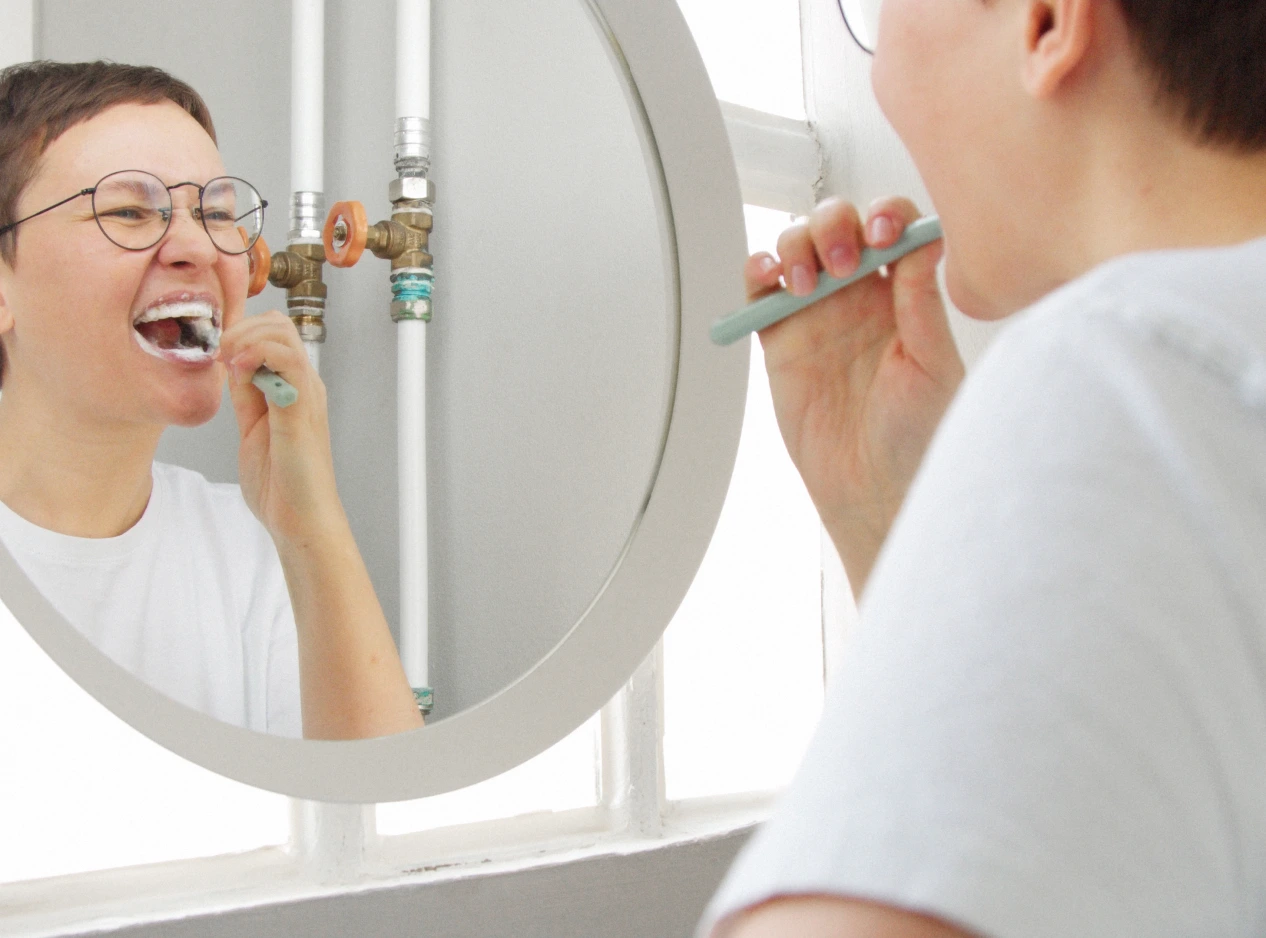
You brush twice a day, floss before bed, and still notice a stale taste or catch someone stepping back mid-conversation. That frustration is common, and it usually means the odour comes from a place a toothbrush cannot fully reach. Bad breath that keeps returning has a source, and finding it is the first step toward clearing it up. This blog covers why cleaning alone may not be enough, what causes the odour, the risks of leaving it untreated, daily habits that help, when to see a dentist, what to expect at your visit, treatment options, and regular care.
Brushing and Flossing Alone Do Not Always Clear Up Bad Breath
Brushing and flossing remove food debris and plaque from the surfaces of the teeth and the spaces between them. Odour can still start in places those habits do not fully reach, such as the back of the tongue, pockets beneath the gums and the edges of worn fillings or crowns. Saliva flow, medications and breathing through the mouth also change how quickly bacteria build up. A thorough routine lowers the chance of odour but cannot account for every source, which is why persistent bad breath, known medically as halitosis, often has a cause that needs separate attention.
Which Causes Explain Bad Breath Despite Good Cleaning
Persistent bad breath usually traces back to one of a few common sources inside the mouth. Each one produces odour in a different way, which is why identifying the source matters more than covering the smell.
Bacteria on the Tongue Produce Odour
The surface of the tongue is rough and holds bacteria, dead cells, and food particles, especially toward the back. These bacteria release sulphur-containing compounds that carry a strong smell. Brushing the teeth does not clean this area, so the odour can remain even when the teeth look spotless.
Gum Disease Traps Bacteria Below the Gumline
When plaque hardens into tartar along the gumline, bacteria collect in small pockets between the teeth and gums. These pockets are difficult to clean at home, and the bacteria inside them give off a lingering odour, often with a bad taste. Red, swollen or bleeding gums commonly appear alongside it.
Dry Mouth Reduces Natural Cleansing
Saliva washes away food particles and bacteria throughout the day. When the mouth is dry, because of certain medications, mouth breathing, or low fluid intake, that natural cleansing slows down and odour builds up. Morning breath is a mild example of the same effect.
Decay or Worn Dental Work Holds Bacteria
Cavities, cracked fillings, and ill-fitting crowns create small spaces where food and bacteria collect out of reach of a toothbrush. The trapped material breaks down over time and produces an unpleasant smell. Food can also wedge into the same gaps repeatedly, which keeps the odour coming back.
Untreated Causes of Bad Breath Can Lead to Bigger Problems
Persistent bad breath is often the first noticeable sign of a problem that is still developing. Gum disease is the clearest example. Left untreated, it can progress from inflamed gums to gum recession, loss of the bone that supports the teeth and, eventually, loose teeth.
Decay and worn dental work carry their own risks. A small cavity or a leaking filling can grow deeper over time, and bacteria may reach the nerve of the tooth, leading to infection or an abscess. At that stage, treatment often involves a root canal or, in some cases, removing the tooth.
Dry mouth raises the risk of both decay and gum disease because the mouth loses the protection saliva provides. Odour from tongue bacteria alone usually does not cause lasting damage, though it can occur together with the other causes. Addressing the source early generally means simpler and more comfortable treatment.
Small Changes to Your Routine May Reduce Persistent Bad Breath
A few everyday adjustments support saliva flow and a moist mouth, which helps the mouth clear odour-causing bacteria on its own. These changes can ease mild or occasional odour, but they do not replace treatment for gum disease or decay.
- Drink water throughout the day to keep the mouth moist and rinse away loose food particles.
- Chew sugar-free gum after meals to encourage saliva flow.
- Skip alcohol-based mouthwashes, which can dry the mouth and let odour return.
- Breathe through the nose where possible to help the mouth stay moist.
See a Dentist If Bad Breath Does Not Improve
A visit makes sense when odour continues for several weeks despite consistent care at home. Bleeding or swollen gums, a lingering bad taste, tooth pain, and a mouth that stays dry are also good reasons to book. Odour that returns soon after brushing points to a source that home care is not reaching, and it is worth having checked sooner rather than later.
How a Bad Breath Visit Works From Questions to Plan
A bad breath visit follows three steps, and most of it involves answering a few questions and having your mouth checked.
Describing Your Habits and Symptoms
You start by sharing when the odour appears, how long it has lasted and what your daily routine looks like. Mention any medications, dry mouth, snoring or changes in taste, since these details help narrow down the source.
Finding the Source of the Odour
Your teeth, gums, tongue and any fillings or crowns are then checked for the places odour usually starts. X-rays may be taken when a problem between the teeth or under older dental work is suspected.
Choosing a Treatment Plan
Once the cause is clear, the dentist explains the findings and the options that fit. You then decide how and when to proceed, with the plan matched to what is producing the odour.
Different Treatments Address Different Causes of Bad Breath
Treatment for halitosis depends on what is producing the odour, so two people with the same complaint can end up with different plans. Common options include the following.
- Remove plaque and tartar with a professional cleaning, which reaches areas home brushing cannot.
- Treat gum disease with periodontal care that cleans below the gumline and reduces bacteria in gum pockets.
- Repair cavities and replace worn fillings or crowns to close the gaps that trap food.
- Learn proper tongue cleaning when bacteria on the tongue are a main source of odour.
- Manage dry mouth with habit changes and options suggested by your dentist.
Regular Checkups and Cleanings Help Keep Breath Healthy
Regular checkups and cleanings catch gum disease, decay and failing dental work before odour becomes noticeable. Visits about every six months are the usual schedule, though some patients with gum disease or dry mouth may benefit from more frequent ones. Between appointments, brushing twice a day and cleaning between the teeth daily keeps plaque from building up again.
Get Persistent Bad Breath Checked at St. Raphael’s Dental Care in Toronto, ON
Persistent bad breath has a cause, and finding it is much easier with a proper check. St. Raphael’s Dental Care in Toronto, ON offers bad breath treatment and periodontal dentistry, along with regular checkups to keep the mouth healthy. Book a visit to have the source of your odour looked at and a plan put together.
Frequently Asked Questions
Can persistent bad breath come from the stomach or sinuses?
Yes, sinus infections, postnasal drip and acid reflux can contribute to odour, though most cases start in the mouth. St. Raphael’s Dental Care can help rule out dental causes before you see a physician.
Does mouthwash cure bad breath?
No. Mouthwash freshens breath briefly but does not remove causes like gum disease or decay. The dentists at St. Raphael’s Dental Care identify the source and treat it so the odour stops returning.
Can tonsil stones cause bad breath?
Tonsil stones are small deposits of debris and bacteria in the tonsils that can produce a strong odour. Mention any throat symptoms during your visit so the cause can be narrowed down.
Can diet and smoking cause bad breath that does not go away?
Yes. Garlic and coffee cause temporary odour, while smoking dries the mouth and is linked to gum disease, so the smell lingers. The dentists at St. Raphael’s Dental Care can check your gum health.
Can sleep apnea cause bad breath?
Yes. Sleep apnea often involves snoring and open-mouth breathing, which can leave a dry mouth and morning odour. St. Raphael’s Dental Care offers sleep apnea treatment, so mention it if you snore.