
Sleep apnea can affect the mouth, the jaw, and the way you feel when you wake up. Breathing through the mouth dries out saliva, which raises the risk of cavities and gum irritation. Clenching and grinding during disrupted sleep can wear teeth and leave the jaw sore. Many people also wake up with headaches and a sore throat. This guide covers the effects on the mouth and teeth, the jaw, and morning comfort, how dental care supports sleep apnea treatment, and simple habits that ease morning discomfort.
Oral Changes Linked to Sleep Apnea
Several changes in the mouth are common in people with sleep apnea.
Dry Mouth From Mouth Breathing
Sleep apnea often pushes people to breathe through the mouth, which dries out saliva overnight. Waking up with a dry, sticky mouth is a common sign.
Cavities and Gum Irritation
Saliva washes away food particles and neutralizes acid. With less of it, plaque builds up more easily, which raises the risk of cavities, gum irritation, and bad breath.
Worn Teeth From Grinding
Some people with sleep apnea clench or grind their teeth during sleep. Over time, this can flatten or chip the biting surfaces and make teeth sensitive.
Sleep Apnea Can Leave the Jaw Sore and Tight
Many people with sleep apnea wake up with a jaw that feels tired, tight, or sore. Nighttime clenching keeps the jaw muscles working while you sleep, so the strain builds from one night to the next. Some people also notice clicking or discomfort when they chew in the morning.
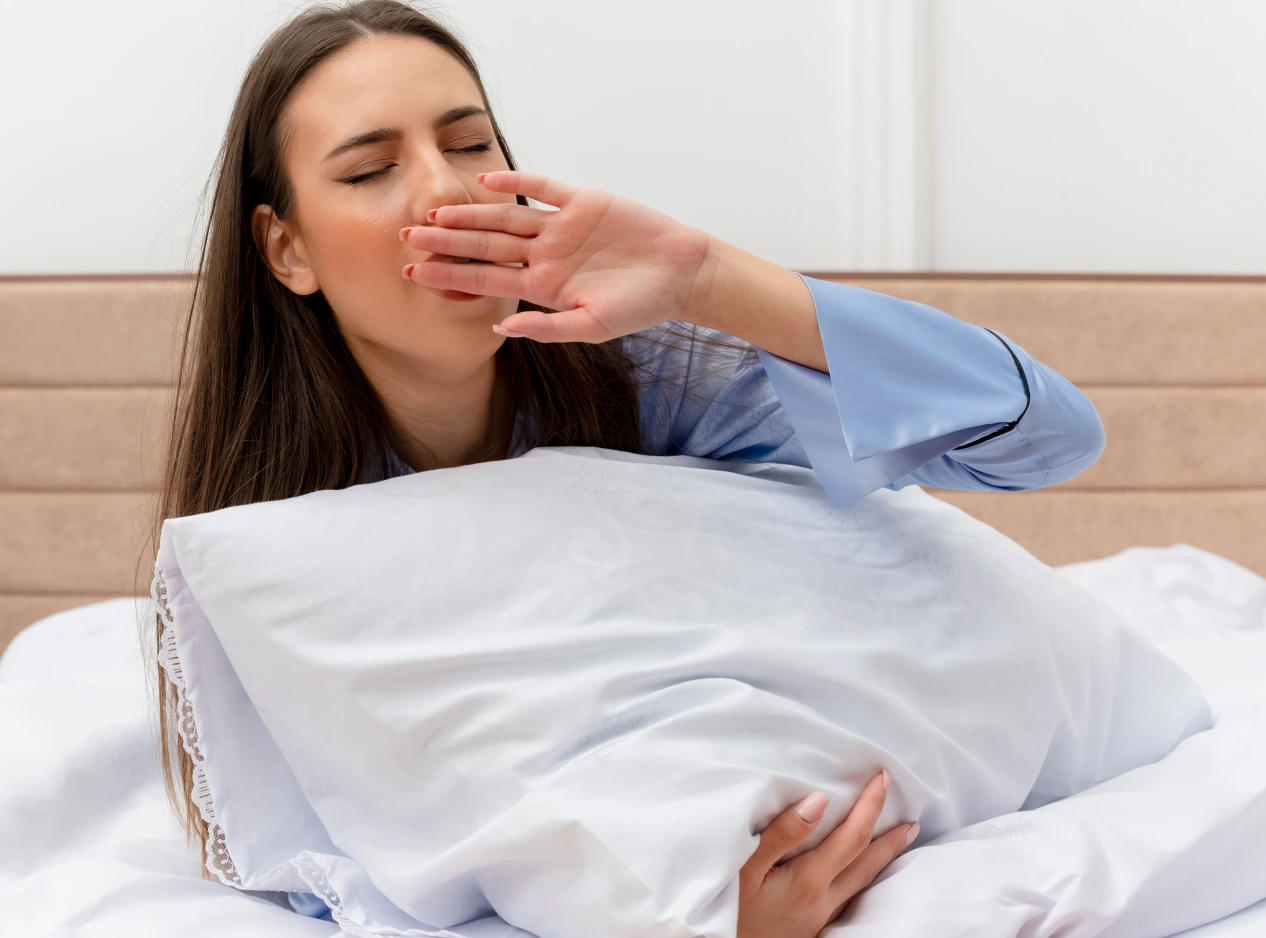
Sleep Apnea Can Leave You Tired, Sore, and Foggy Each Morning
Interrupted breathing keeps the body from settling into deep sleep, so the effects show up as soon as you wake. Each common symptom has a reason behind it:
- Morning headaches: low oxygen and night-time clenching can trigger headaches that are worst on waking and often ease as the day goes on.
- Sore or scratchy throat: snoring and open-mouth breathing irritate the throat overnight.
- Tiredness after a full night: breathing pauses interrupt deep sleep, so rest feels less refreshing.
- Trouble concentrating: poor-quality sleep affects focus and memory early in the day.
- Waking often: breathing pauses can wake you briefly, usually without you remembering it.
Noting which of these you notice most gives your doctor and dentist useful information at your next visit.
How Dental Care Supports Sleep Apnea Treatment
Sleep apnea treatment is planned with your doctor. Dental care supports that plan by protecting the teeth, gums, and jaw, which is the core of sleep apnea oral health. An oral appliance, which holds the lower jaw slightly forward during sleep, is one option some patients use. A nightguard can protect teeth from grinding. Both are made to fit your mouth. As breathing improves with treatment, mouth dryness and clenching often ease as well.
Simple Habits Can Ease Morning Discomfort
These habits do not treat sleep apnea, but they can make mornings more comfortable:
- Keep a glass of water by the bed and sip through the day.
- Run a humidifier in the bedroom to keep the air from drying out.
- Limit alcohol close to bedtime.
- Clear a stuffy nose before bed so you can breathe through it.
- Brush with fluoride toothpaste and floss before bed to protect teeth from dry mouth.
Get Sleep Apnea Effects Checked at St. Raphael’s Dental Care in Toronto
At St. Raphael’s Dental Care in downtown Toronto, our team provides sleep apnea treatment and nightguards, along with family and preventive dentistry. Evening and Saturday appointments are available. Book an appointment to find out how sleep apnea may be affecting your mouth and jaw.
Frequently Asked Questions
Can a dentist diagnose sleep apnea?
No. A doctor confirms sleep apnea, usually with a sleep study. A dentist can notice signs in the mouth and suggest you see your doctor. We can also review dental treatment options.
Can a nightguard treat sleep apnea?
No. A nightguard sits between the teeth and does not keep the airway open, so sleep apnea needs its own treatment. Our team can explain the options we offer.
How often should you see a dentist if you have sleep apnea?
Regular checkups, usually every six months, help catch cavities, gum changes, and tooth wear early. Some patients benefit from more frequent visits, and our team can set a schedule based on your needs.
Should you tell your dentist if you use a CPAP machine?
Yes. Tell us about CPAP or any other sleep apnea treatment, along with your medications. It helps us look after your teeth and gums and plan dental care around your treatment.
Can a CPAP machine make your mouth feel dry?
It can, especially when air leaks through the mouth. A better-fitting mask or a built-in humidifier may help, so mention it to your doctor. Drinking water and good oral care also protect your teeth.